Blog
How Diagnostic Data Helps Identify ECU Performance Issues


Modern vehicles and heavy-duty equipment rely on complex electronic control units (ECUs) to manage engine operation, emissions systems, transmissions, and safety functions. When performance issues occur, the problem is rarely mechanical alone. In most cases, the root cause is hidden inside diagnostic data.
Understanding how to interpret this data is essential for accurate troubleshooting and efficient repairs using advanced vehicle diagnostic software
Why Fault Codes Alone Are Not Enough
Diagnostic fault codes are often the starting point, but they rarely tell the full story. A single fault code may be triggered by multiple conditions, including sensor discrepancies, software logic conflicts, or communication errors between control modules.
Relying only on fault codes can lead to:
- Incorrect component replacement
- Missed root causes
- Repeat failures
- Increased downtime
This is why professional workshops rely on dealer-level diagnostic tools
The Importance of Live Data Analysis
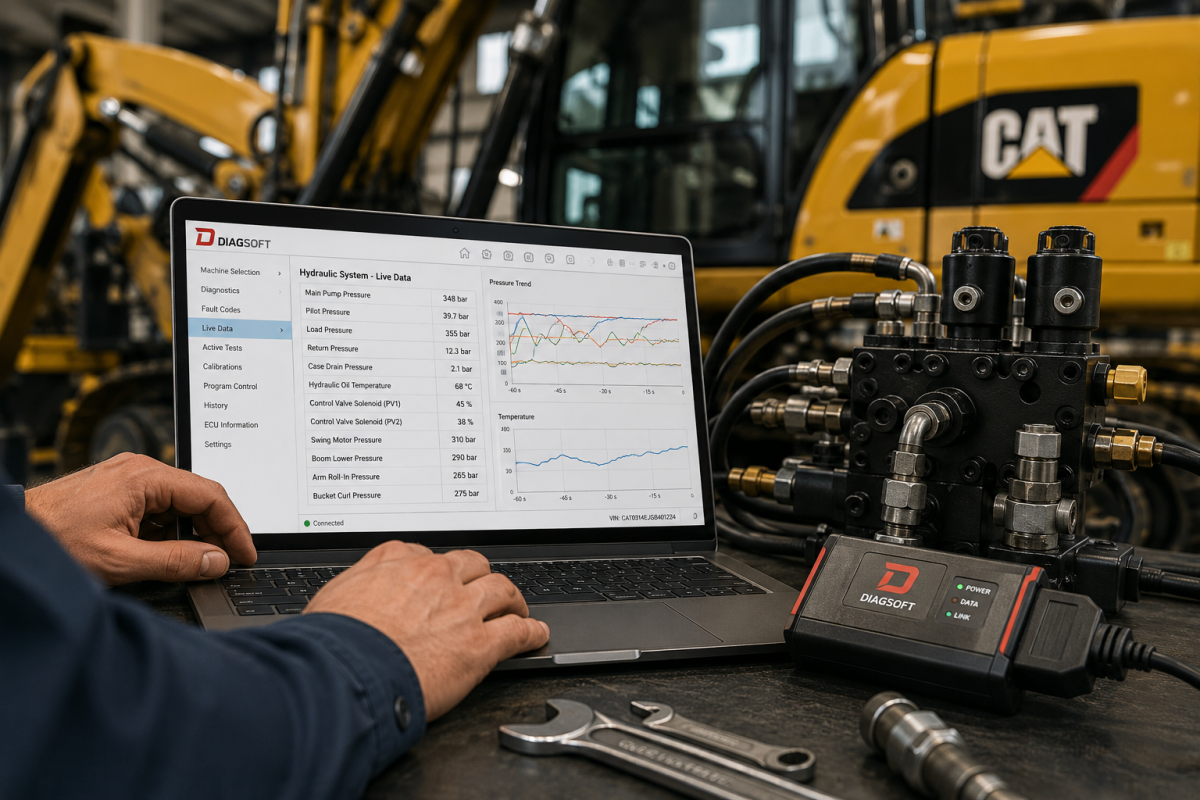
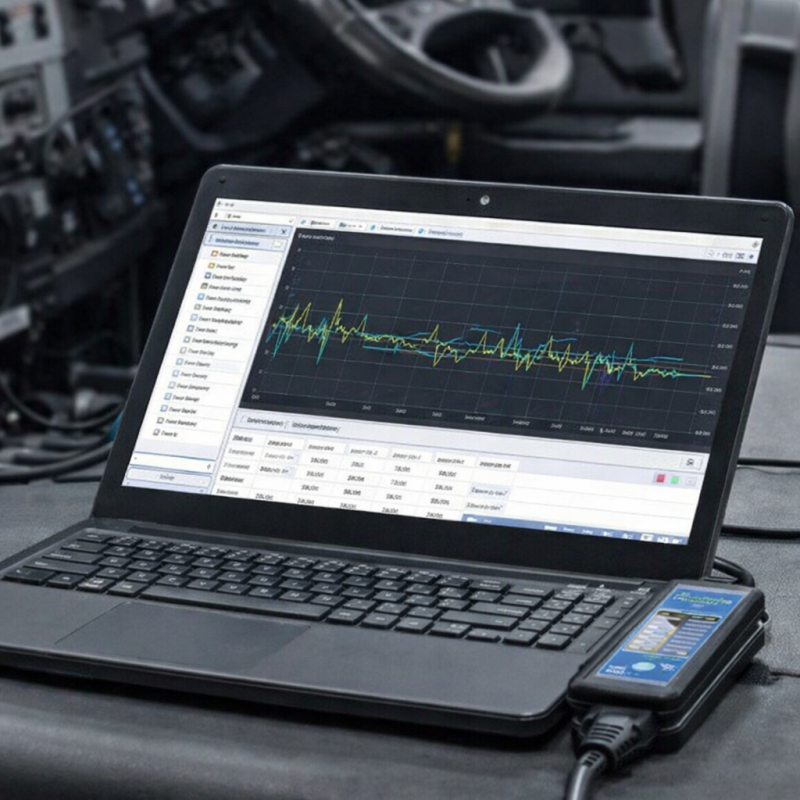
Live data provides real-time insight into how an ECU is interpreting inputs and controlling outputs. By monitoring live parameters, technicians can identify inconsistencies that fault codes may not reveal.
Key examples include:
- Sensor values outside expected operating ranges
- Delayed response times
- Conflicting signals between related systems
- Abnormal behavior under load or temperature changes
Using real-time ECU data analysis
ECU Logic and Conditional Faults
Many ECU faults are conditional. They only trigger when specific criteria are met, such as:
- Engine temperature thresholds
- Load conditions
- Vehicle speed
- Regeneration cycles
- Emissions system states
With professional diagnostic software for ECUs
Identifying Performance Degradation Early
Performance issues often develop gradually. Without proper diagnostics, early warning signs may be overlooked.
Diagnostic data can reveal:
- Reduced efficiency trends
- Inconsistent actuator behavior
- Sensor drift over time
- Intermittent communication errors
Fleet operators often use heavy-duty vehicle diagnostics
The Role of Bi-Directional Testing
Advanced diagnostic systems support bi-directional testing, enabling technicians to command components directly from the diagnostic interface.
This allows verification of:
- Actuator operation
- Valve movement
- System response times
- Control logic behavior
Bi-directional testing is a core feature of OEM-compatible diagnostic tools
Diagnostics as a Decision-Making Tool
Accurate diagnostic data supports informed repair decisions. Instead of replacing parts based on assumptions, technicians can:
- Confirm failures with measurable evidence
- Validate repair outcomes
- Reduce unnecessary labor
- Improve first-time fix rates
Using professional diagnostic solutions
Why Professional Diagnostics Matter
As vehicles and equipment continue to evolve, diagnostic accuracy becomes increasingly critical. Modern ECUs integrate multiple systems, making isolated troubleshooting ineffective.
This is why workshops increasingly invest in advanced diagnostic tools and software
Final Thoughts
Diagnostic data is more than a troubleshooting aid, it is the foundation of modern vehicle and equipment repair. By analyzing live data, understanding ECU logic, and using advanced diagnostic capabilities, technicians can identify performance issues accurately and efficiently.
In today’s electronic environments, effective diagnostics are not optional. They are essential.
Discover more from Diagsoft Solutions
Subscribe to get the latest posts sent to your email.