Blog
How Diagnostic Software Is Changing Truck and Heavy Equipment Maintenance

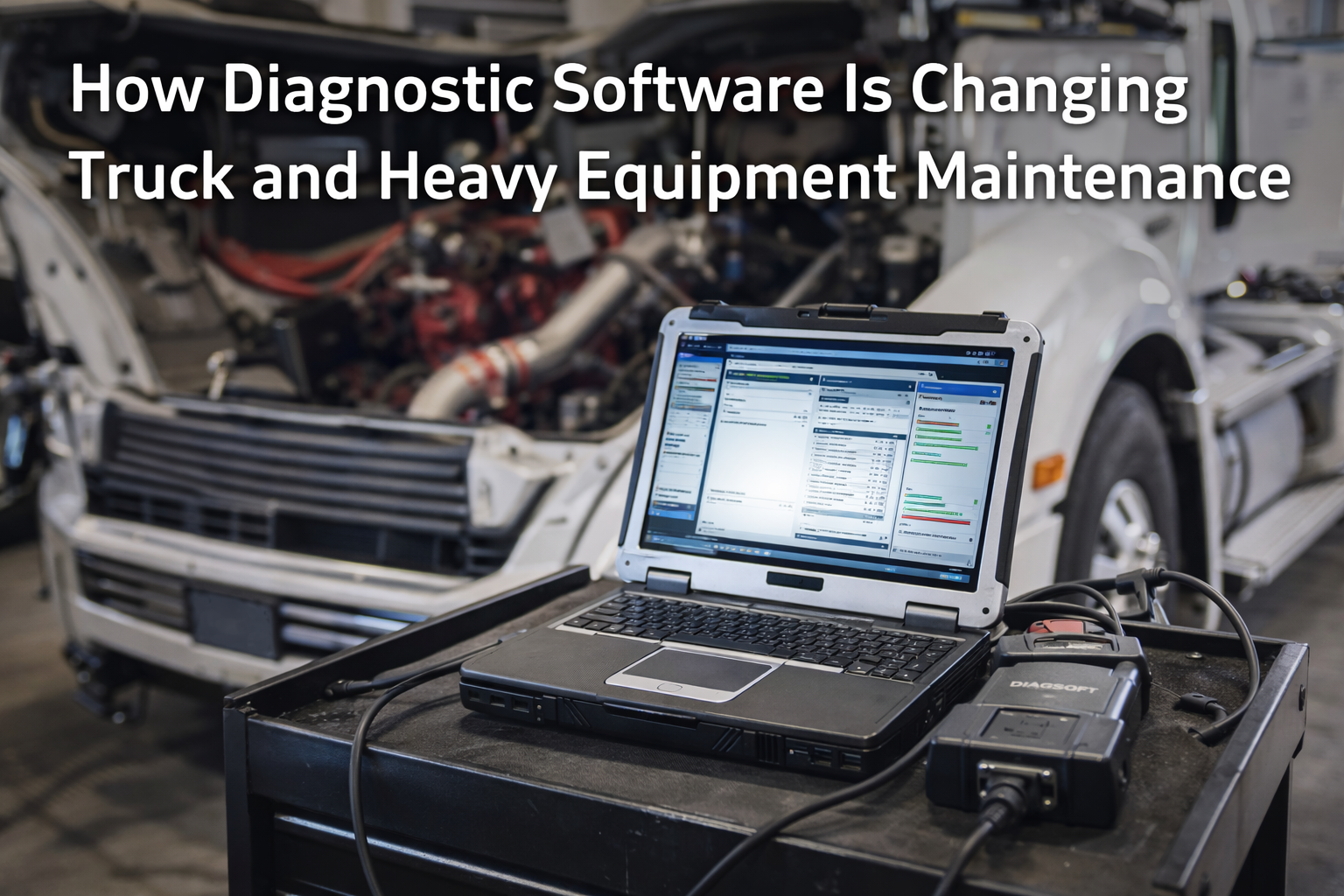
For many years, maintenance in the heavy-duty industry was built on experience and routine.
Technicians relied on scheduled service intervals and manual inspection to keep trucks and machinery running.
That approach still exists, but it is no longer enough.
Modern vehicles are far more complex than they used to be. Behind every engine, transmission, and emissions system there are multiple electronic control units constantly monitoring performance and making adjustments in real time. Without proper access to this data, even simple issues can become difficult to identify.
Why Traditional Methods Are No Longer Enough
Mechanical knowledge is still important, but today’s problems are often not visible. A sensor might be sending incorrect data. A control module might be limiting performance due to a hidden fault. An emissions system might be operating outside optimal parameters without any obvious signs.
In these cases, visual inspection alone will not help.
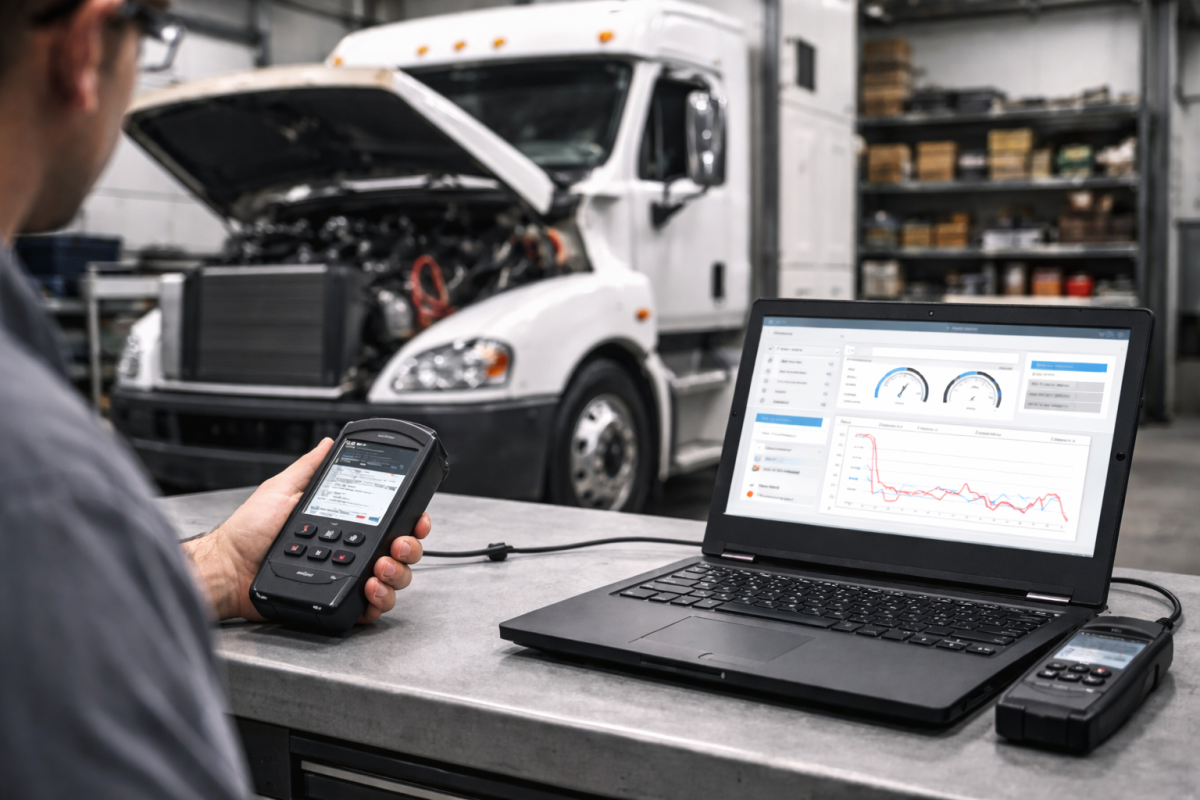
This is where diagnostic software becomes essential. It allows technicians to connect directly to the vehicle and understand what is happening internally, not just what can be seen externally.
Faster Diagnostics, Better Decisions
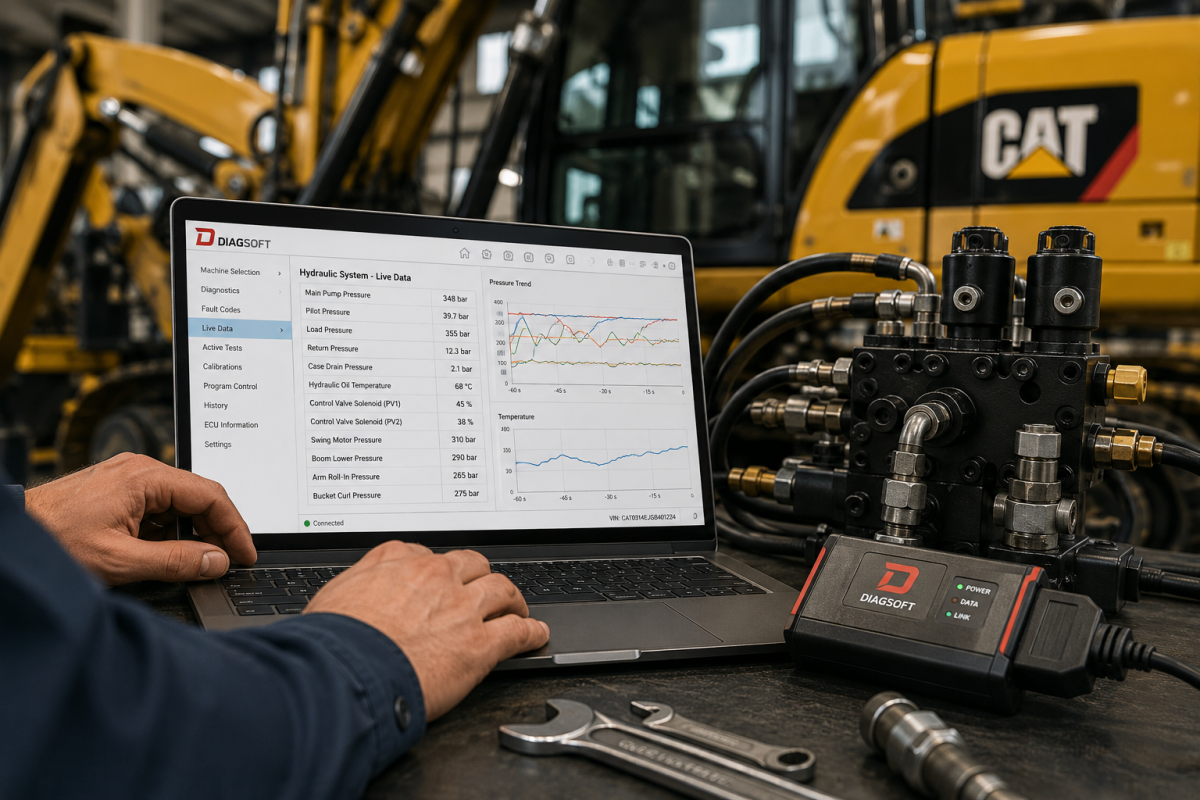
One of the biggest advantages of modern diagnostic systems is speed. Instead of testing multiple components manually, technicians can access fault codes, live data, and system status within minutes.
This reduces downtime and improves repair accuracy.
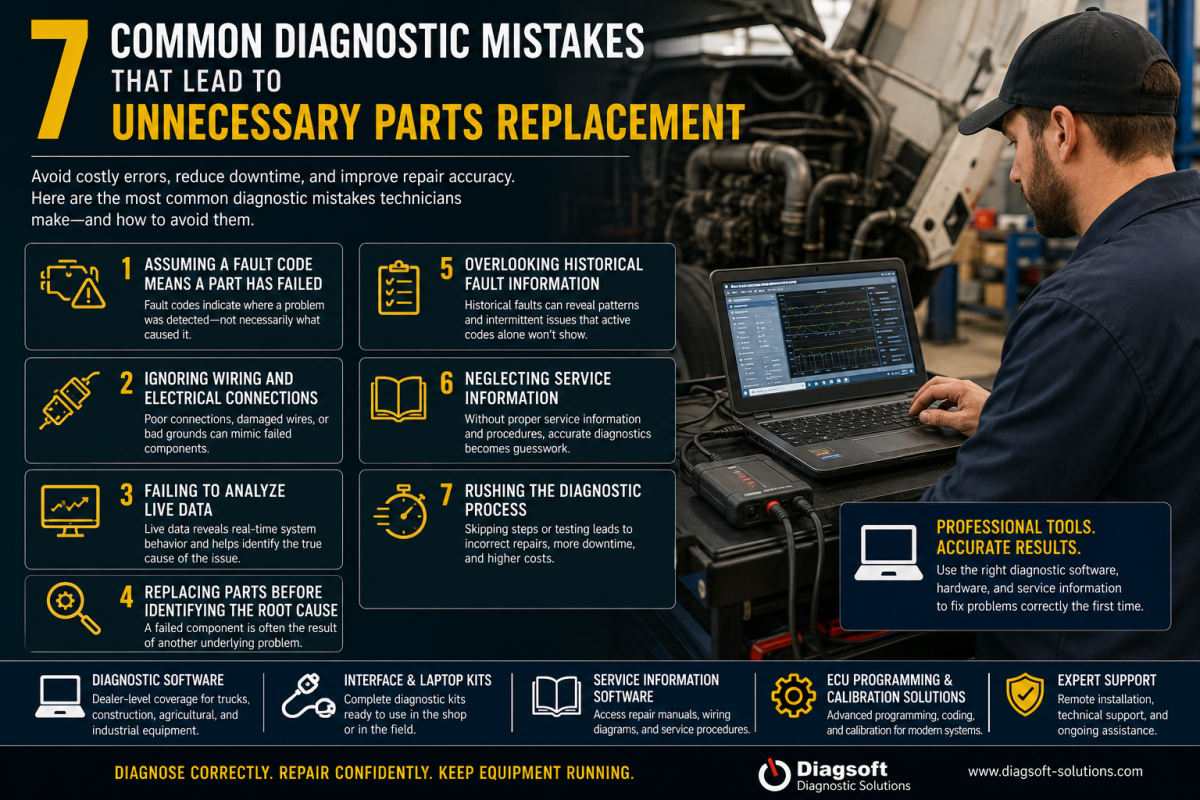
Rather than replacing parts based on assumptions, decisions are made based on real data. This leads to fewer mistakes and more efficient maintenance overall.
Working Across Different Machines
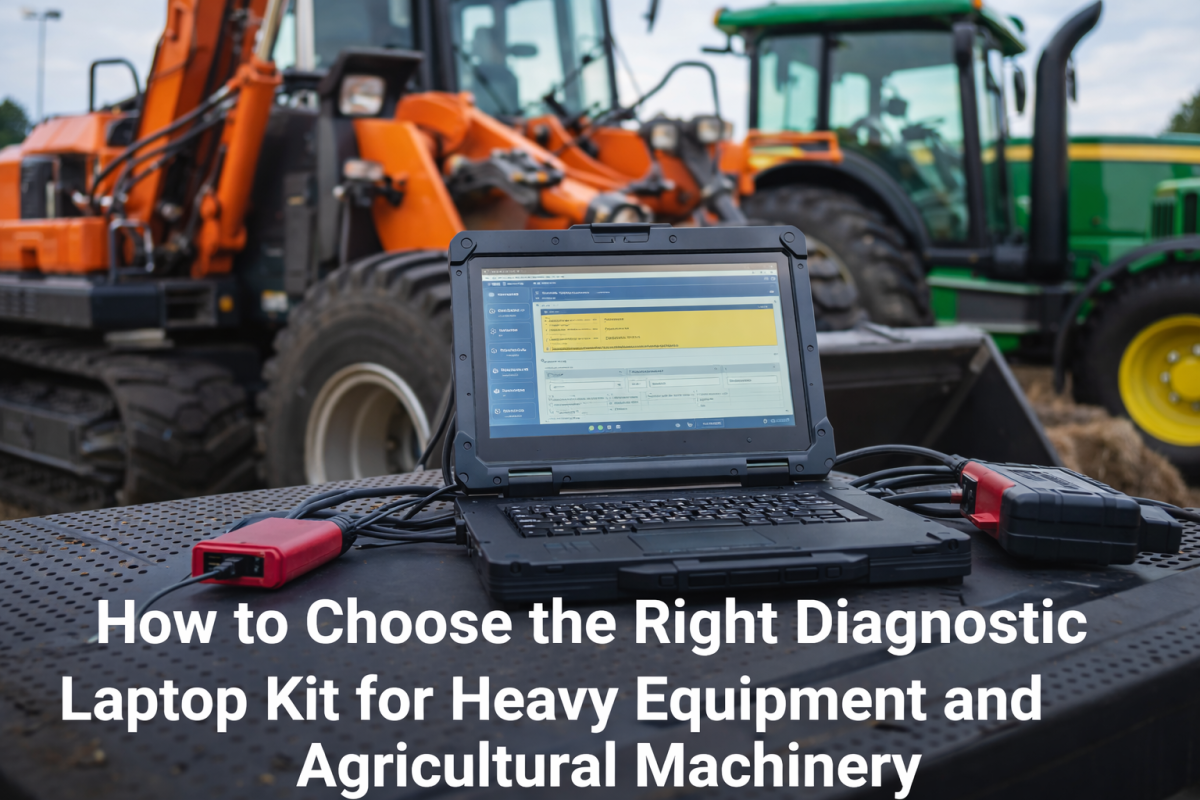
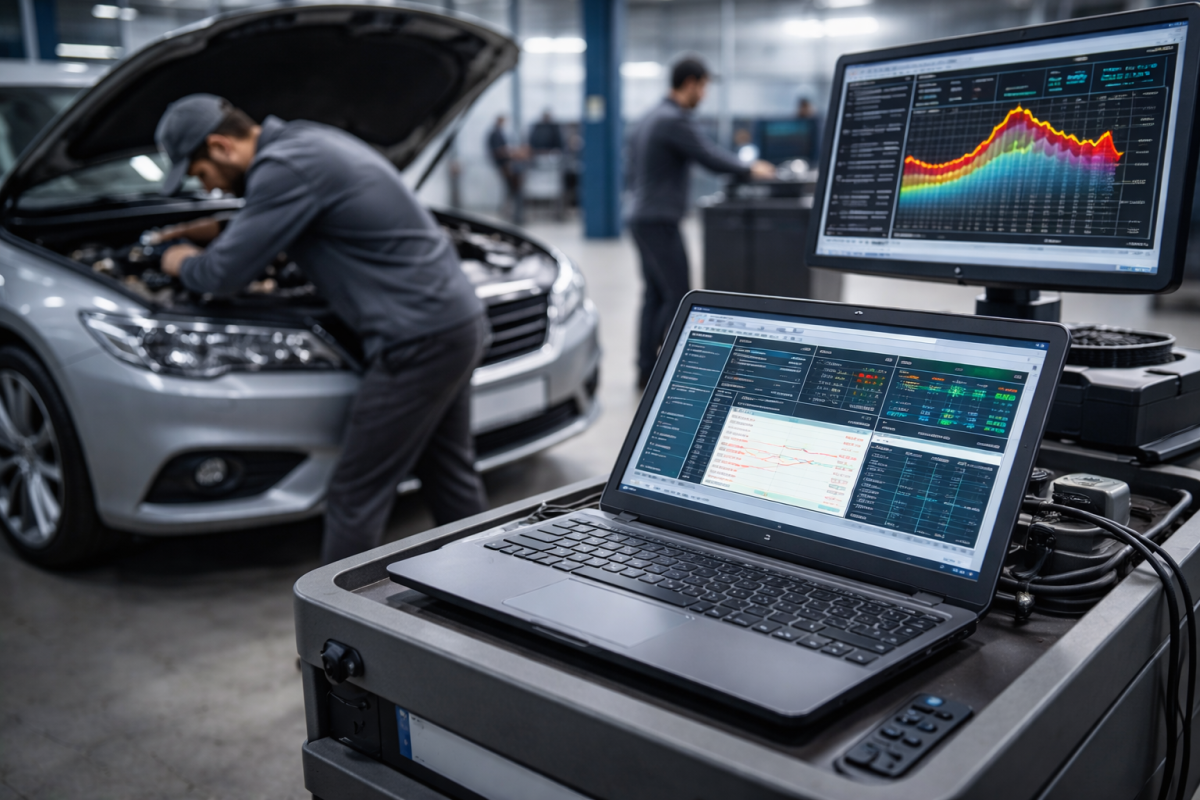
Workshops today rarely deal with a single type of vehicle. It is common to see a mix of trucks, construction equipment, and agricultural machinery in the same location.
Each system has its own structure and requirements, but the need for accurate diagnostics remains the same.
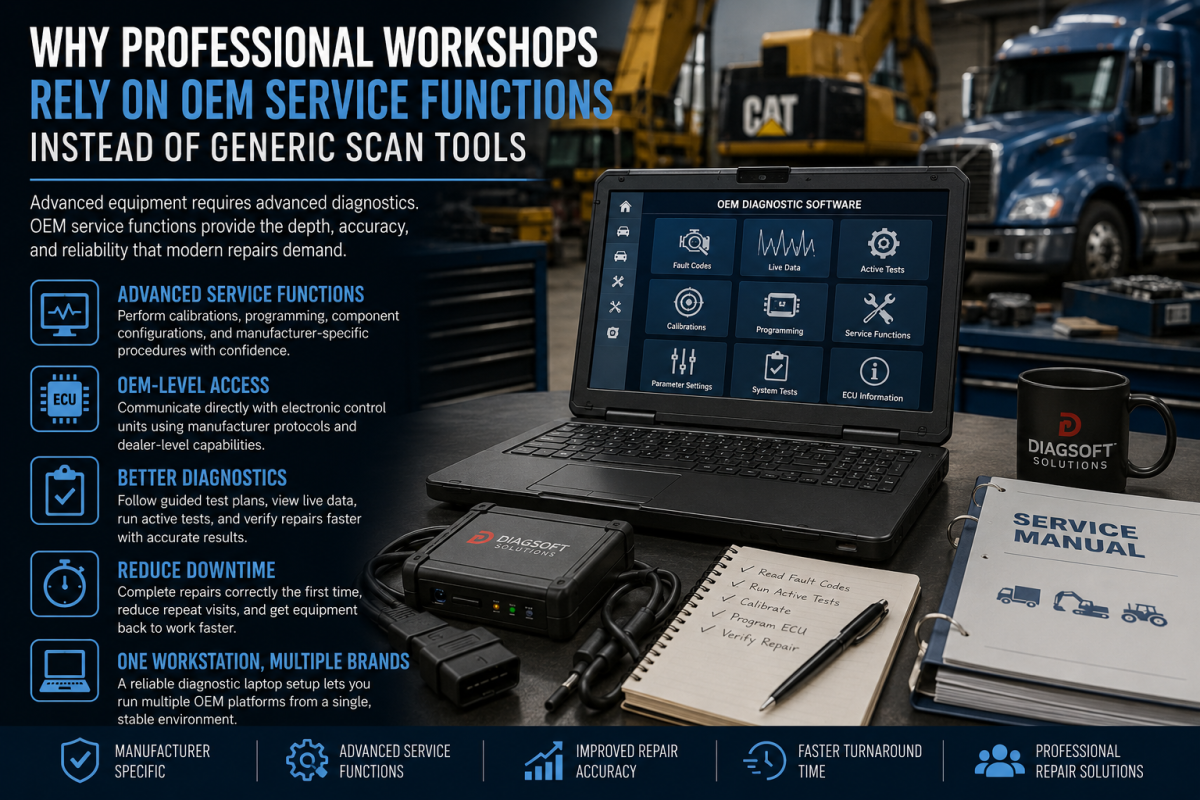
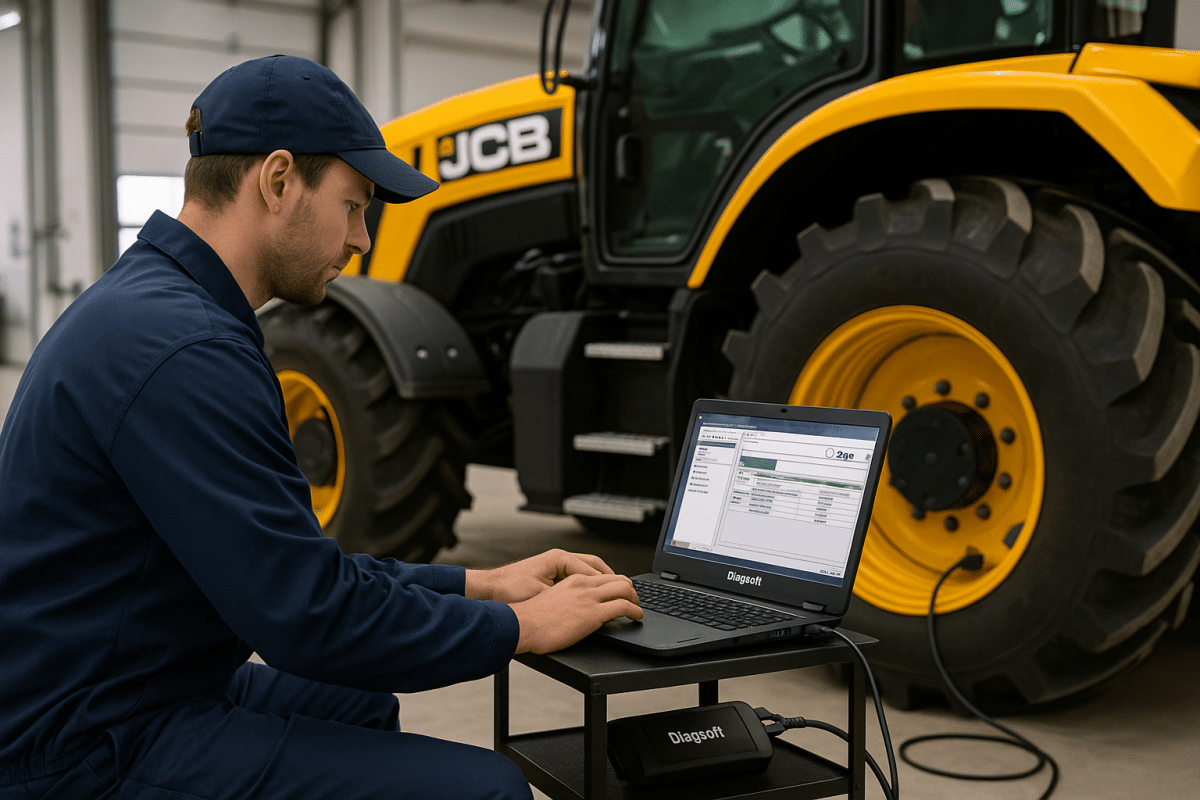
Access to reliable diagnostic software for trucks and heavy equipment allows technicians to manage different machines more efficiently, without constantly switching between unrelated tools or workflows.
More Than Just Reading Fault Codes
Modern diagnostic platforms go beyond simple error detection.
They allow:
- real-time monitoring of system behavior
- calibration and configuration
- component testing
- performance analysis
This level of control helps technicians not only fix problems but also prevent them.
The Move Toward Smarter Maintenance
Maintenance is also becoming more predictive. By analyzing data over time, it is possible to identify patterns and address issues before they lead to breakdowns.
This shift helps fleets reduce unexpected downtime and plan maintenance more effectively.
Conclusion
The role of diagnostic software continues to grow as vehicles become more advanced.
What used to be a supporting tool is now a central part of maintenance. Workshops that adapt to this reality are able to work faster, more accurately, and more efficiently.
Those that do not will find it increasingly difficult to keep up.
Discover more from Diagsoft Solutions
Subscribe to get the latest posts sent to your email.